
Choosing the right card blanks
0
Posted on 27th July 2026 by Papermill Direct
Filed under Any occasion cards
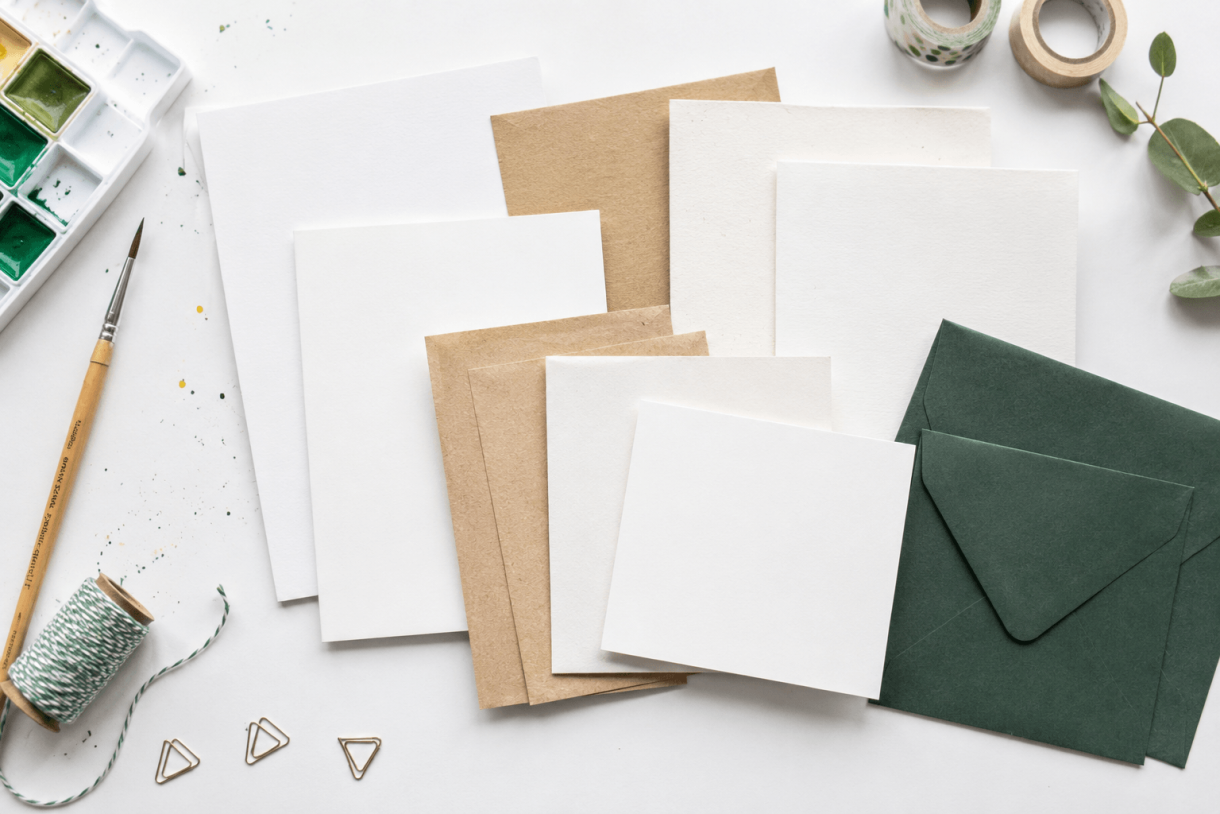
Whether your design aesthetic is clean and simple or you love layered scrapbook-style designs, starting with the right blank cards makes everything easier. The weight, finish and texture all influence how your chosen techniques work, how glues perform and, ultimately, how professional your finished cards look.
With so many card making supplies available, it can be difficult to know which card blank is best for a particular project. Here’s a straightforward guide to help you choose with confidence.
Card size
Let’s start with the simple bit: the size of your card. The size of your card blank affects everything from the amount of space you have for your design to the envelope you’ll need and even postage costs. We supply a range of pre-folded card blanks that give a premium finish, clean folds and a solid starting point to let your creativity flow.
Here’s a quick guide to some of the most popular sizes:
Card Size | Best For |
X Large Square (155 x 155mm) | Statement, scrapbook-style designs, children’s handprint art |
Large Square (140 x 140mm) | Everyday greetings, birthdays and special occasions |
Small Square (122 x 122mm) | Thank you cards, notelets and cute keepsakes |
DL (100 x 210mm) | Contemporary designs, money wallets and invitations |
A6 Card Blanks (105 x 148mm) | All-purpose greetings and beginner-friendly projects |
A5 card blanks (148 x 210mm) | Photo cards, special occasions and mixed media |
Tips for picking the right size:
- A6 and large square are versatile choices that suit almost every occasion.
- If you’re gathering card-making supplies for children’s projects, handprint art and drawing, we recommend A5 or extra-large square.
- DL and A6 are popular options for invitations as they look elegant and are easy to post.
- If you’re selling your cards, make sure you choose a card size with a matching envelope and cello bag for a polished, professional look.
Card weight
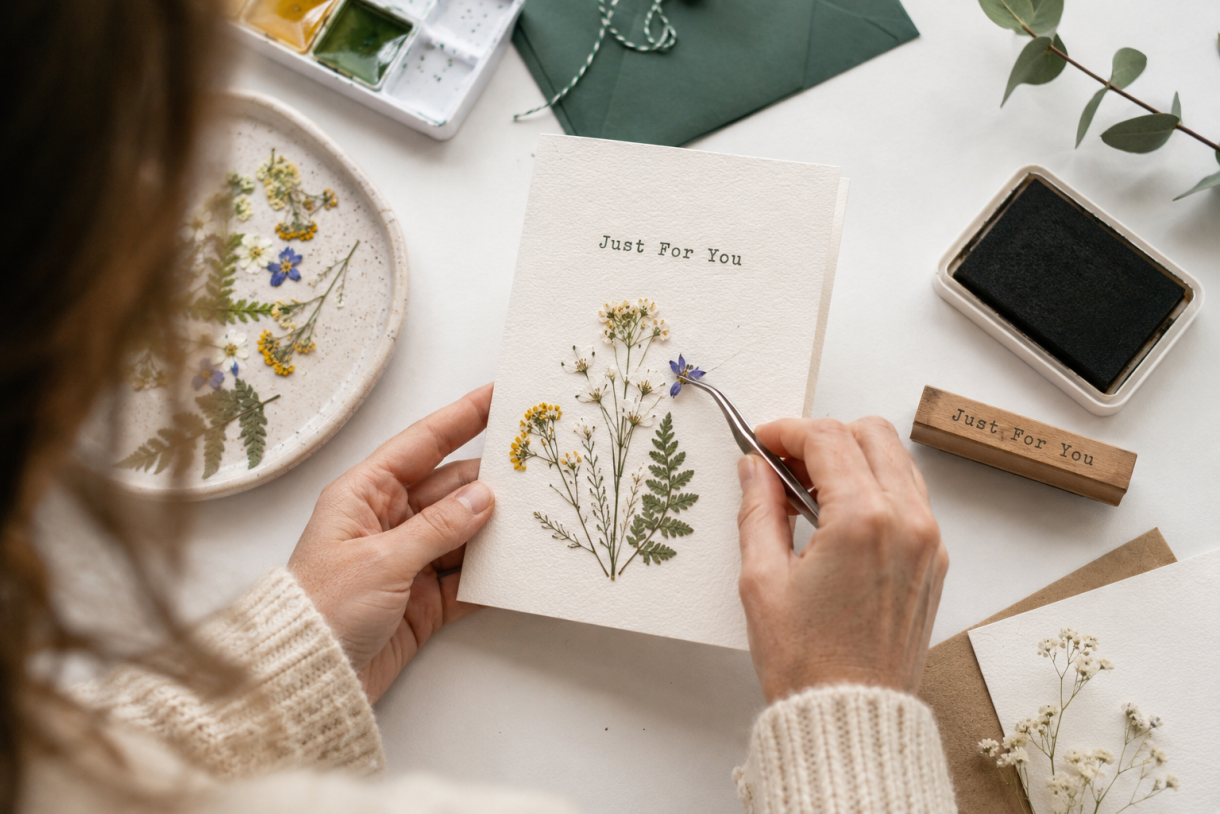
One of the first things you’ll notice when shopping for card blanks is the weight, usually measured in gsm (grams per square metre). The higher the GSM, the thicker and sturdier the card.
Here’s a simple guide:
Card Weight | Best For |
240–250 gsm | Everyday greeting cards, stamping, home printing |
280–300 gsm | Most card making projects, photocards, interactive elements |
300 gsm+ | Luxury cards, heavy embellishments, mixed media |
We appreciate that it can be hard to envisage the thickness of cardstock by a number on a screen. As a handy comparison, standard printer paper is usually 80 gsm, while the card used for a typical cereal box is around 300–350 gsm.
Tips for picking the right weight:
- If you love adding die cuts, shaker windows and lots of embellishments, a heavier card blank will help support your design and keep it looking neat.
- If you’re making wedding invitations with extra pieces like save-the-date cards, RSVP cards and information inserts, a lighter card weight can make everything easier to fit into the envelope and keep postage down.
- If you’re printing your designs at home, always check the maximum paper weight your printer can handle before choosing your card blanks.
Card finish
As crafters, we’re spoiled for choice when it comes to the varieties of card blanks on offer. Finishes such as linen create a crisp, modern backdrop, while others such as our sparkle card add character before you’ve even started decorating. Here’s a quick comparison to help you choose the perfect card finish for your next project.
Card Finish | Best For |
Stamping, digital printing, decoupage, hand drawn designs | |
Adding subtle depth and interest to floral, vintage and elegant designs | |
Wedding stationery, anniversary cards and sophisticated makes | |
Christmas, weddings, celebrations and luxury card designs | |
Mixed media, rustic themes and nature-inspired projects |
Tips for picking the right finish:
- Check printer compatibility if you are planning on home printing your designs.
- Check if your card blank is one-sided or double-sided, finishes such as satin can affect writability, and you may require a card insert.
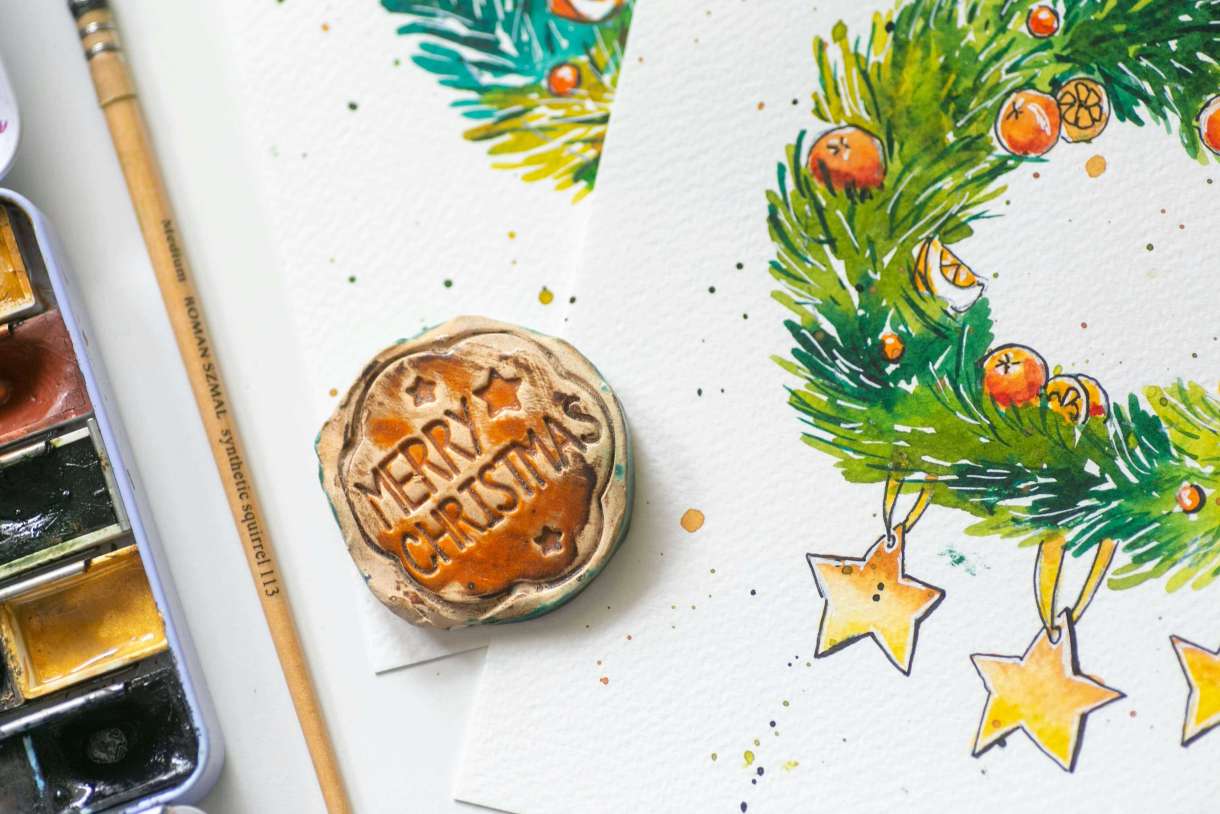
- If you’re adding hand-drawn or painted details, consider how any textures may affect the finished look. Smooth finishes are ideal for colouring in, while heavier hammered cards work well with watercolour paints.
Crafting techniques
The techniques you use most often can help you choose the best card blanks for your projects. While there’s no right or wrong choice, certain finishes and weights work better with different crafting styles.
Technique | Top tip |
It’s worth stocking up on a few different glues. A standard glue stick will work well with most card blanks however for metallic, pearl and silk finishes glue dots or double-sided tape give a cleaner finish. If you’re using lots of wet glue, a heavier card blank is less likely to warp. | |
Stamping | Smooth card produces the sharpest stamped images and clearest legibility, making it a great choice for detailed designs. |
Cutting | Depending on the weight of your card you may require a craft knife or other tools. |
Embossing | Heavier card stocks generally cope better with embossing, helping to create a deeper impression while reducing the risk of cracking. |
If you’re using alcohol markers, pencils or inks, smooth card provides the most even surface and helps colours appear clean and vibrant. |
A few handy tips:
- If you’re adding moisture, whether it be through paint or liquid glue, a heavier card blank is less likely to warp.
- Always test a new combination of cardstock, adhesive or colouring medium on an offcut before starting your final project.
Finding the right card blank for you
Most card makers eventually discover one or two favourite card blanks that become their go-to choice for everyday projects. But don’t be afraid to experiment. Keeping a small selection of sizes, weights and finishes on hand gives you the flexibility to match your card blank to the design you’re creating, whether it’s a quick birthday card, elegant wedding stationery or a heavily embellished keepsake.
Sometimes the smallest change can make the biggest difference. Switching from a smooth finish to a lightly textured one, or trying a different card weight, can give familiar techniques a completely new look.
Every handmade card starts with a simple folded piece of card, so choosing the right blank is one of the easiest ways to improve your finished designs. By considering the size, weight and finish before you begin, you’ll create cards that not only look beautiful but also feel sturdy, professional and made to last.
With the right card making supplies and quality blank cards as your foundation, you can spend less time worrying about the base and more time enjoying the creative process.

Nobody has commented yet
Be the first to comment on this article by using the form below.